Lasso Security — rebranding, from the website to print, merchandise and the office
 Lasso Security
Introduction
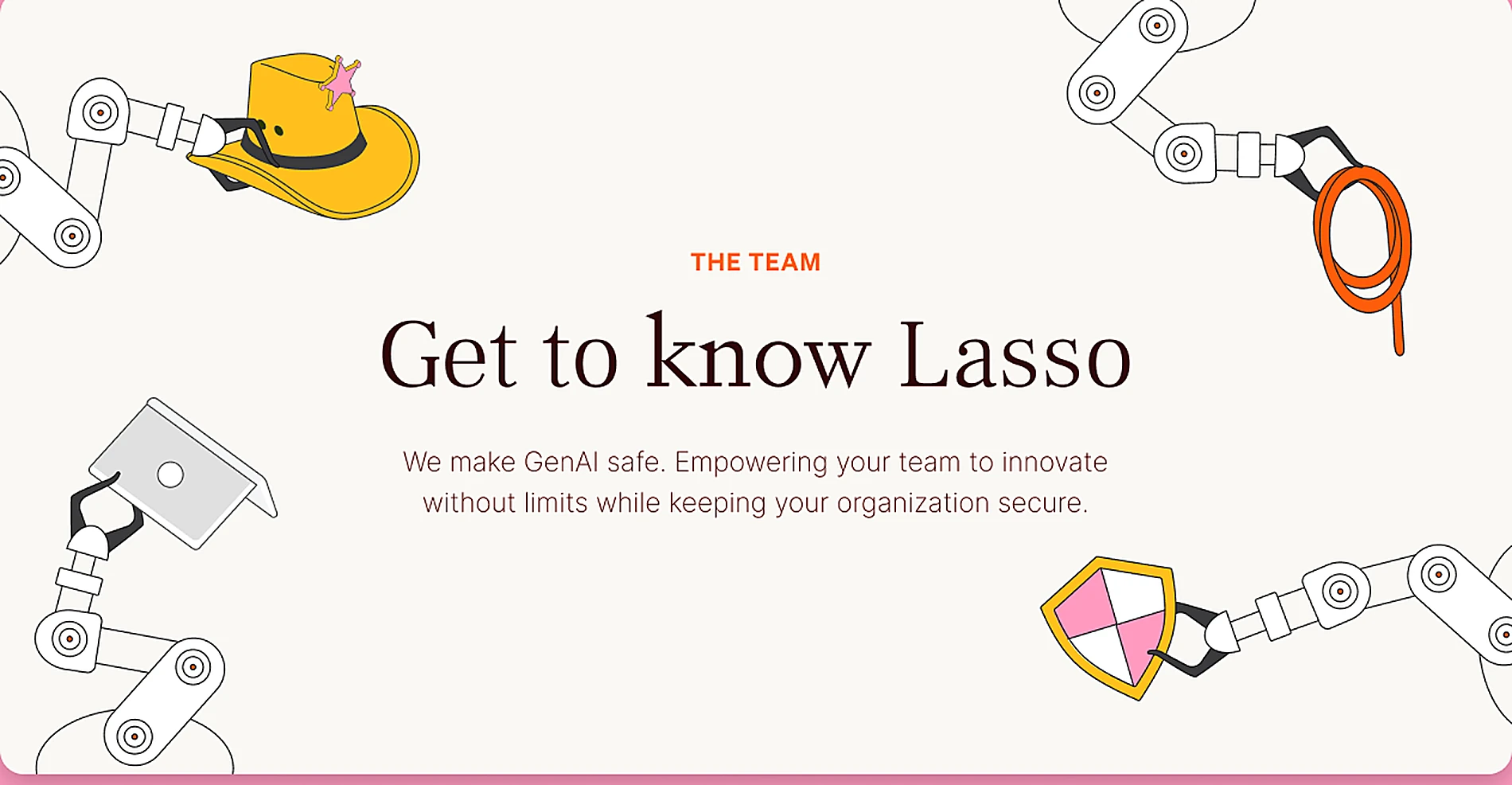
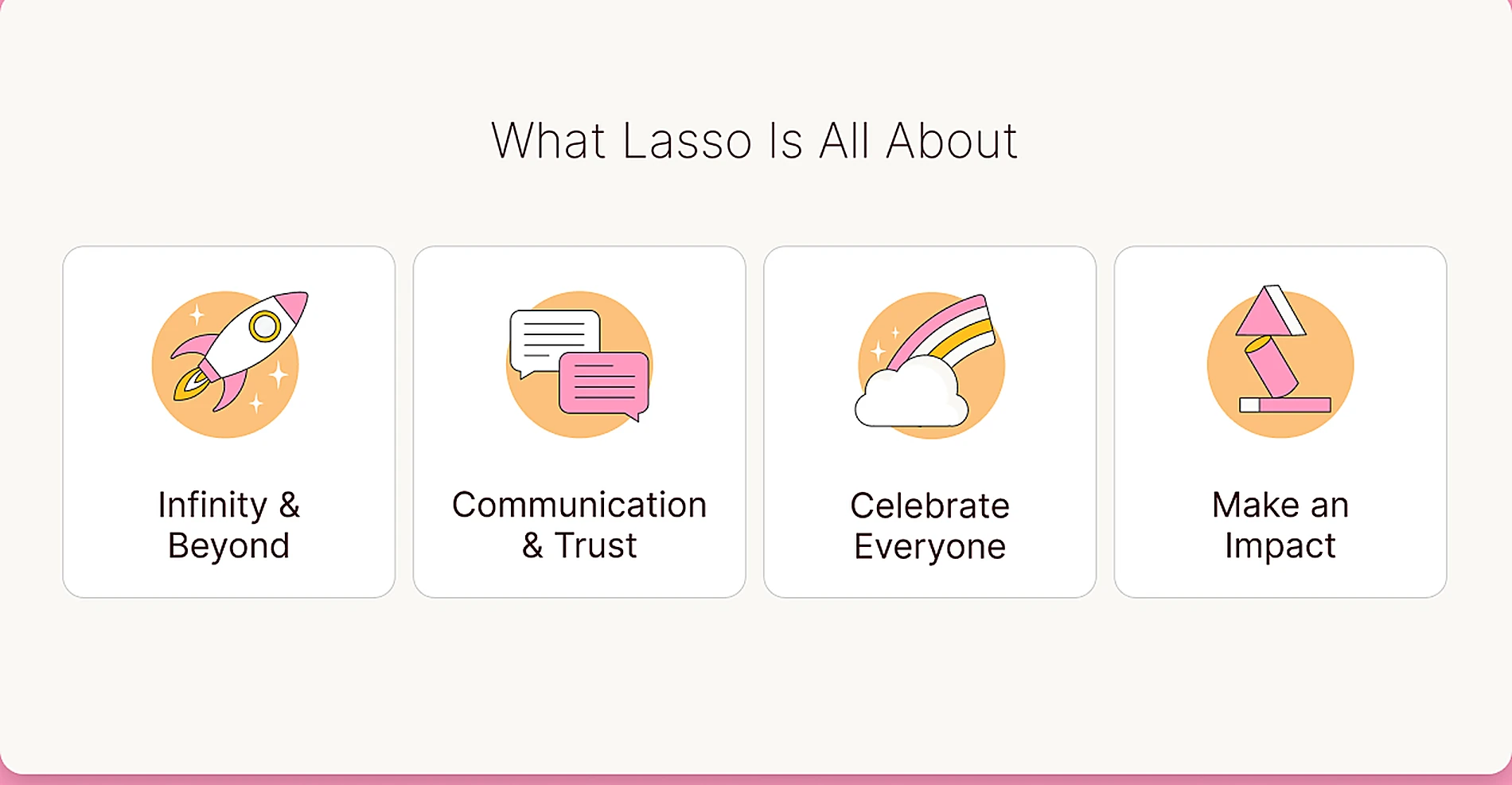
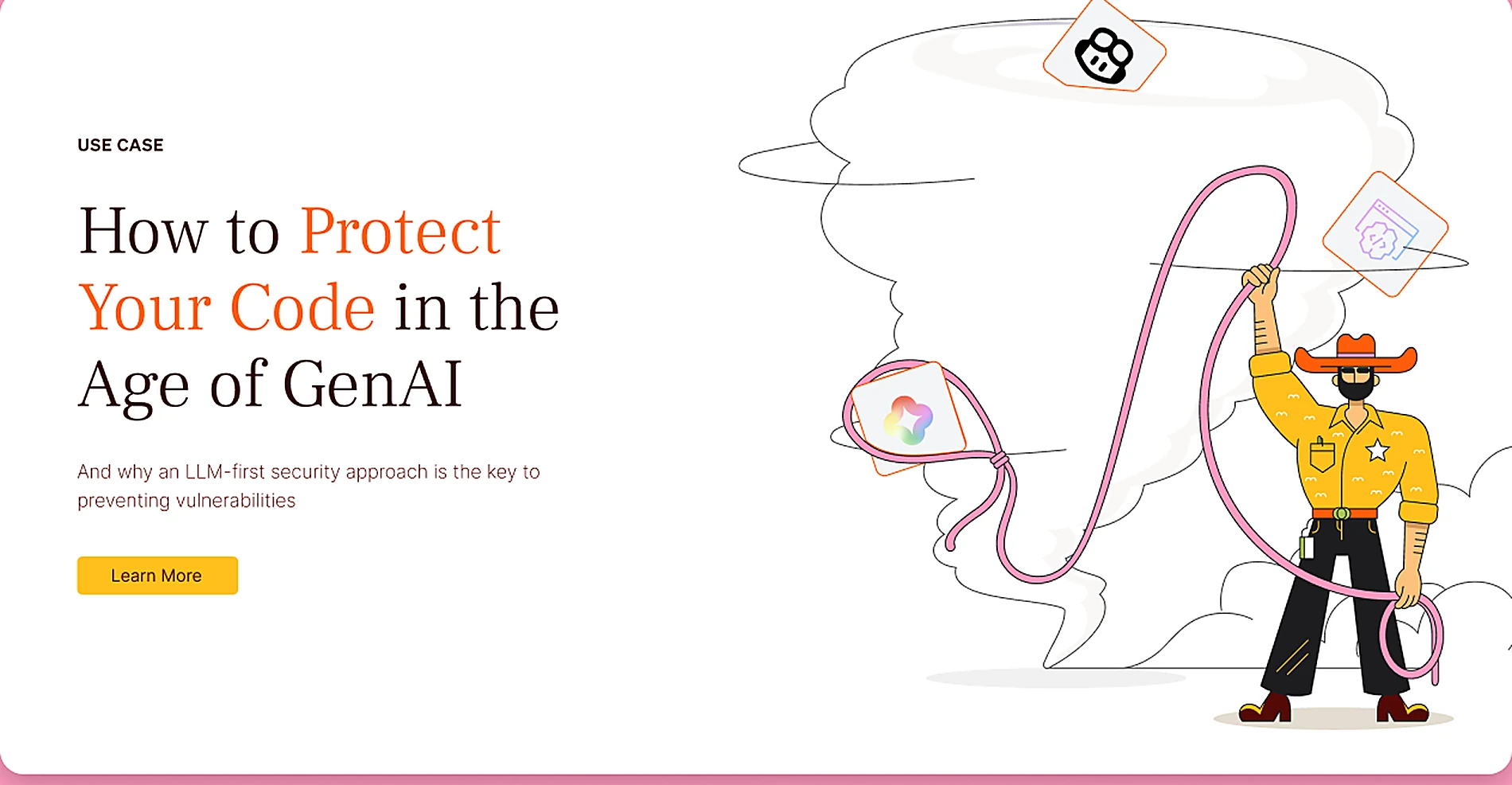
I helped turn Lasso Security’s new identity into a fully realized brand. As Lasso’s in-house designer, working alongside Deutsch & Co., I extended the visual system, adapted it for new use cases, and brought it to life across the business, from the web to print, merchandise, and the office.
Details
- Project
- Rebrand — Lasso Security
- Timeframe
- 2024
- Role
- First designer · Product and brand
- Collaborative
- Deutsch & Co.
- Website
- Lasso.security




My role
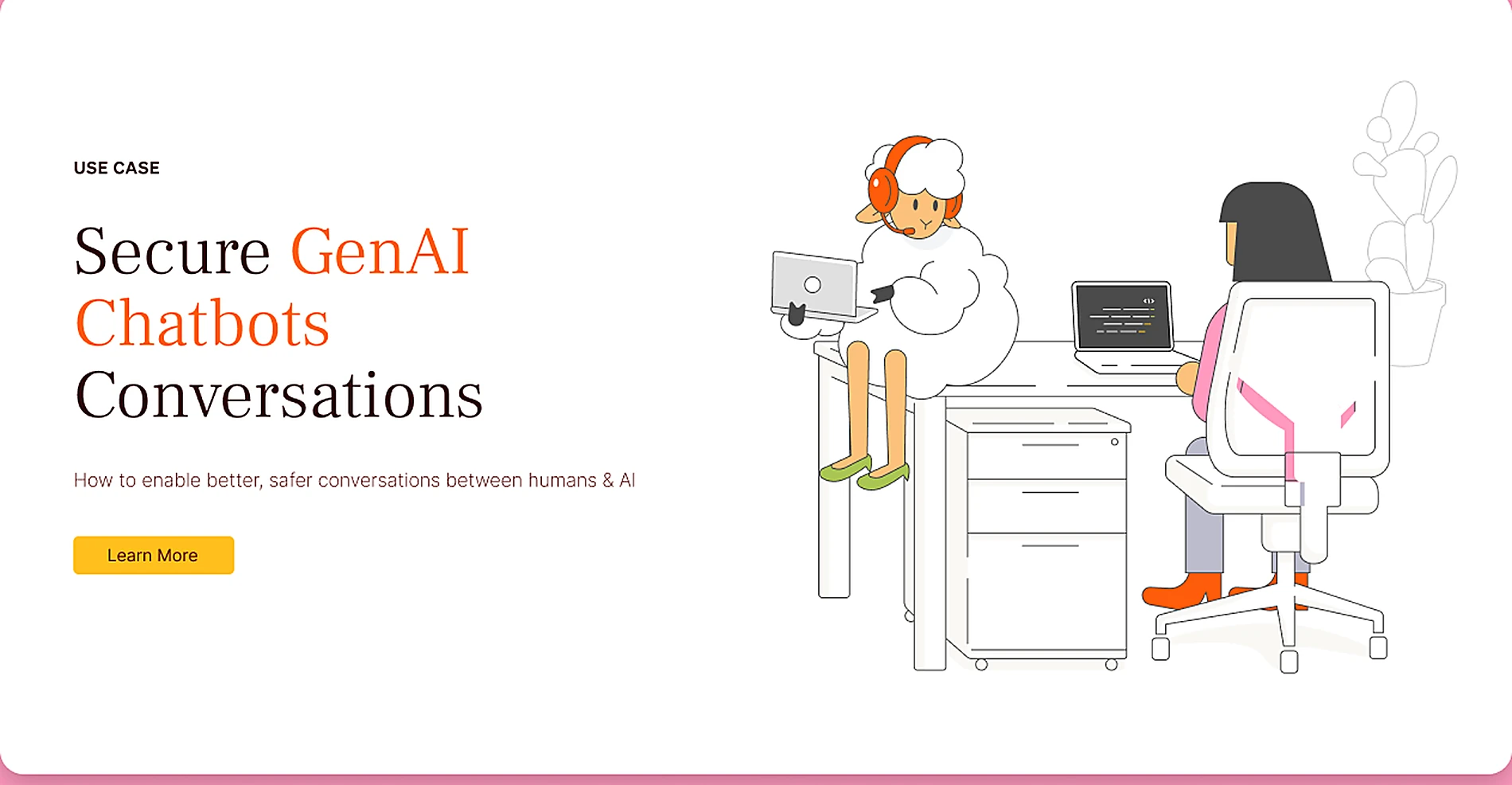
- Illustration extension, in the identity’s line
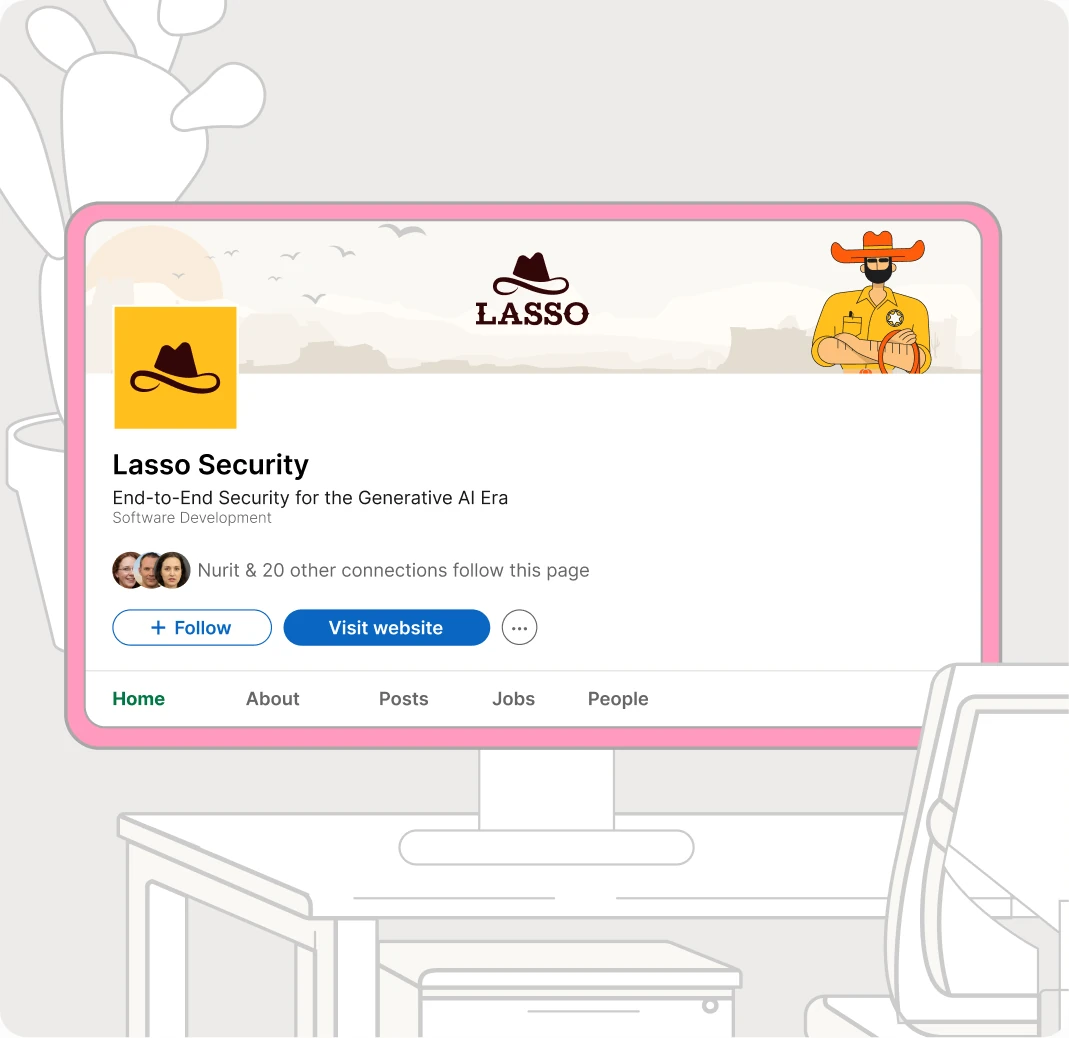
- Website and social design
- Print, merch and office
The website designs
The identity came from Deutsch & Co. My role was to take it forward, making design decisions, expanding the system, and keeping the brand consistent without the agency in the room.
The Identity

Beyond the website
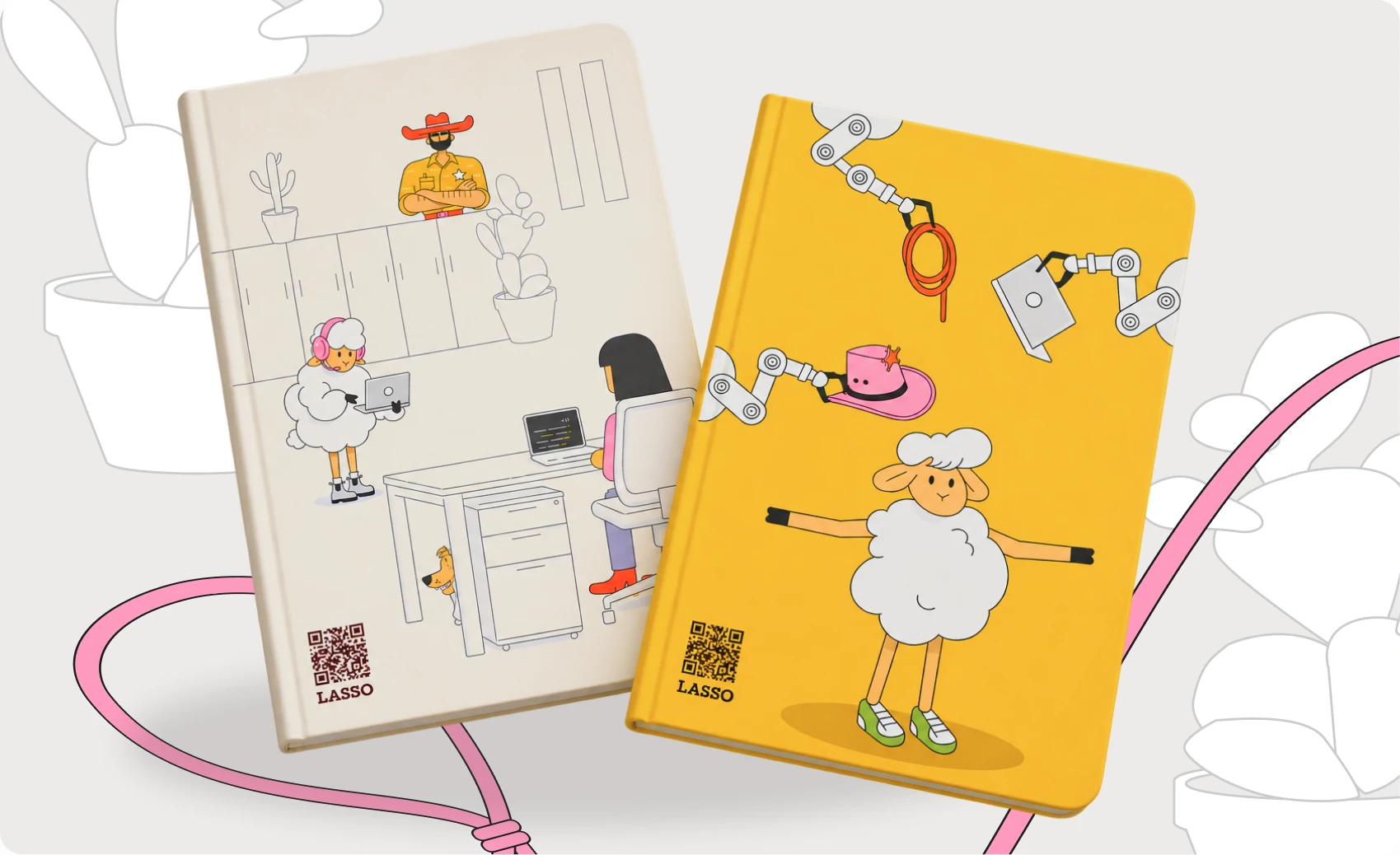
The website proved the identity could scale. These applications proved it could be owned. Taken off-screen and onto physical objects, the identity had to stand on its own, using the same visual language without introducing anything new.

Second project
Lasso Security platform
End-to-end design for a complex, AI-driven cybersecurity platform, defining visual and interaction standards across all product domains, from concept to production-ready specs, collaborating daily with PMs and engineers.

My role
- Immersive Research & Discovery
- Production-ready interfaces
- UX strategy
Two use cases
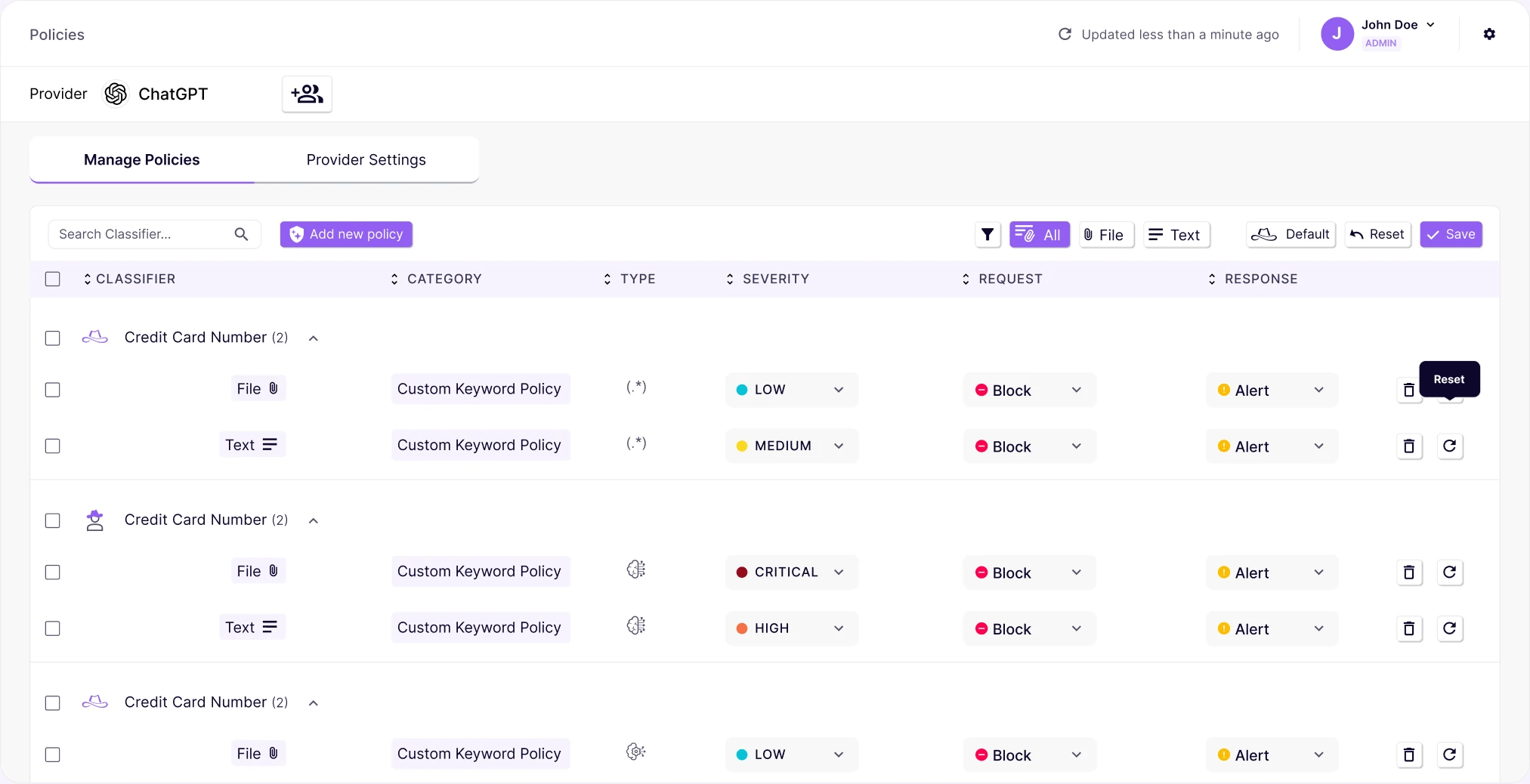
Making complex policy manageable
The challenge was density. Hundreds of classifiers, each needing its own behavior for requests and responses. I designed one grouped table, organized by the data each rule protects, where severity is set once and request and response actions are handled separately.
Admins configure the whole system from a single screen, and it stays readable as the rule set grows. The design frames safe AI adoption as a set of clear choices, not a blanket block.
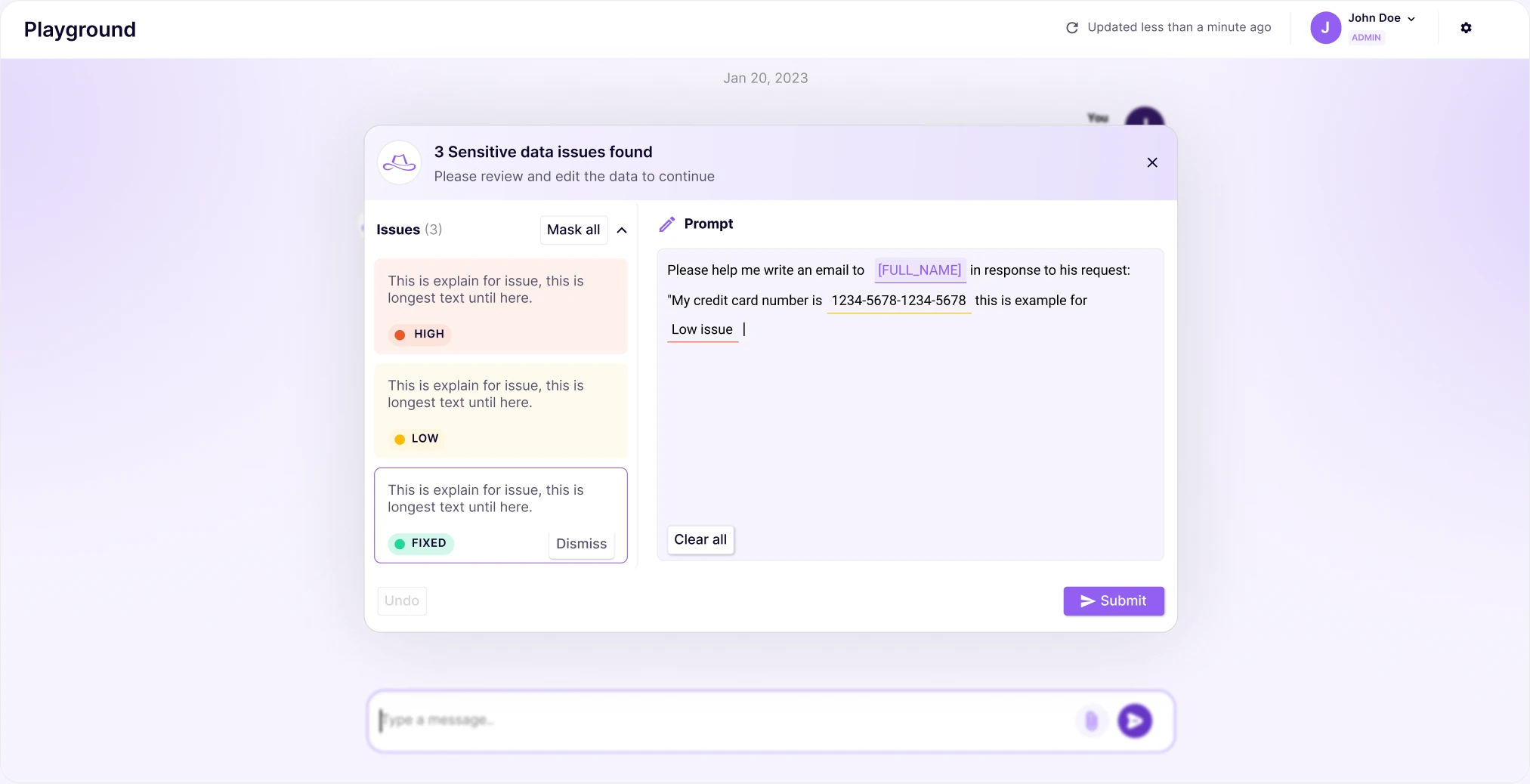
Designing trust before rollout
Admins won't switch on a policy they haven't seen work. I designed the Playground as a live test: send a real prompt, and the gateway flags, masks, and fixes sensitive data in place, each issue shown as a card ranked by severity beside the edited prompt.
I owned it end to end, from research to the mask, fix, dismiss, and undo states to production-ready specs. Teams can try a policy and see exactly what it catches before it goes live.